therapy
for real
life.
Trauma-informed and person-centered clinician. Someone who believes the best therapy lives at the intersection of warmth, evidence, and genuine human connection.
LICENSED CLINICAL SOCIAL WORKER
How I think about therapy
Trauma-Informed at the Core
I don't just treat trauma; I frame everything through a trauma-informed lens. This means always asking not “what's wrong with you?” but “ but tell me your story”
Relational, Not Transactional
Research shows that the therapeutic relationship is the strongest predictor of positive outcomes stronger than any specific technique. You're not a case file to me.
Evidence-Based, Human-Delivered
I use approaches backed by rigorous research, but I deliver them like a human being, not a manual. My job is to adapt the science to fit you, not force you into a protocol.
What sessions actually feel like
If you’ve never been to therapy or if you’ve had experiences that felt cold or disconnected here’s what working with me is actually like:
I show up as a real person.
I laugh. I ask hard questions gently. I remember the details you shared three sessions ago. I don’t hide behind clinical distance.
We go at your pace.
Some sessions are structured especially when we’re using EMDR or CBT frameworks. Others are more open-ended, because sometimes what you need most is space to process.
I integrate, not isolate.
I don’t believe in picking one modality and forcing everything to fit it. Depending on what you’re working through, we might draw from EMDR for trauma or DBT for emotion regulation.
You'll know what we're doing and why.
I explain the tools we use. Therapy shouldn’t be mysterious. You deserve to be an active participant, not a passive recipient.
Path & Credentials
A journey of continuous learning, specialized training, and dedicated clinical practice.
Bachelor of Arts in Psychology
2015Graduated with honors. Foundational studies in human behavior, cognitive processes, and developmental psychology, setting the stage for advanced clinical training.
Master of Social Work
2020Clinical concentration. Comprehensive graduate program focusing on trauma-informed practice, clinical interventions, and systemic therapeutic frameworks.
Post-Master's Clinical Practice
2020–20233,000+ supervised clinical hours. Intensive practice in outpatient and intensive settings providing direct therapy and refining evidence-based practices.
Licensed Clinical Social Worker
2019State licensure — independent clinical practice. Mastery of diagnostic criteria, treatment planning, and independent therapeutic practice standards.
Specialized Certifications
2020–2023EMDR, TF-CBT, DBT & Eating Disorders. Advanced training in evidence-based modalities including trauma-informed care and systemic family interventions.
Private Practice & Ongoing Development
2024–PresentServing children, teens, and adults. Established independent clinical practice dedicated to providing personalized, compassionate, and values-based therapeutic services.
What each credential means for you
Certifications matter because they represent verified training, supervised practice, and demonstrated competence. Here’s what each actually means in the room with you.
LCSW — Licensed Clinical Social Worker
The LCSW is the highest clinical license in social work. It requires a Master’s degree, 3,000+ hours of supervised practice, and a rigorous exam. It ensures your therapist is trained to diagnose and treat complex mental health conditions.
EMDR — Eye Movement Desensitization and Reprocessing
A structured therapy that helps the brain process traumatic memories. Unlike talk therapy alone, EMDR uses bilateral stimulation to activate the brain’s natural healing processes, often working faster than traditional approaches.
TF-CBT — Trauma-Focused CBT
Trauma-Focused Cognitive Behavioral Therapy (TF-CBT) is an evidence-based, short-term treatment designed to help children and adolescents (ages 3–18) process traumatic experiences. It uniquely integrates cognitive-behavioral techniques with trauma-sensitive interventions, typically involving both the child and their non-offending caregiver in the healing process.
The model aims to resolve trauma symptoms like post-traumatic stress disorder (PTSD), anxiety, and depression by moving through three key phases: stabilization, trauma narration, and integration.”
This is the actual definition but I would like for it to be structured in how the others are, is that possible?
DBT — Dialectical Behavior Therapy Informed
Focuses on building skills in mindfulness, distress tolerance, emotion regulation, and interpersonal effectiveness. It’s particularly valuable for clients managing intense emotions or relationship challenges.
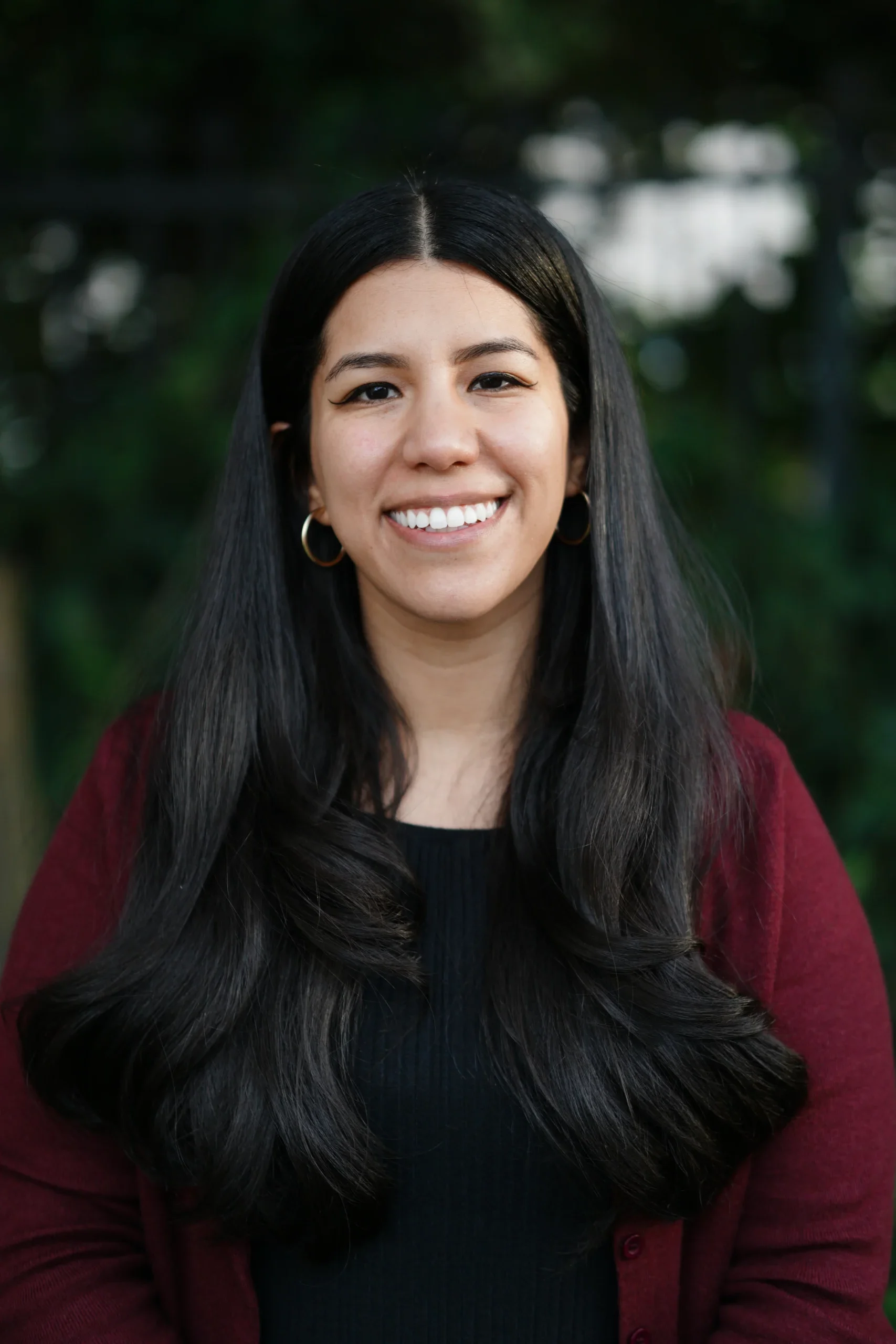
The credentials matter. The person matters more.
“The thing that matters most in the room isn’t on my wall of certificates it’s the willingness to sit with you in the hard parts, without judgment.”
I could fill this page with more acronyms and training hours. But here’s what I actually want you to know: I chose this work because I believe deeply that people can heal. Not because I read it in a textbook — because I’ve witnessed it. In clients who came in barely able to make eye contact and now walk into sessions ready to do hard work. In families who were falling apart and found their way back to each other. In teenagers who learned that their anxiety wasn’t a life sentence.
Every certification on this page represents real effort, real learning, and real dedication to being the best clinician I can be. But the thing that matters most in the room isn’t on my wall of certificates — it’s the willingness to sit with you in the hard parts, without judgment, until you find your way through.
Ready to begin your journey?
The credentials matter, but the relationship matters more. Let’s talk to see if we are a good clinical fit.